FIA Unveils Comprehensive 2023 Formula 1 Regulations as Sport Evolves with Technology
The FIA has released comprehensive 338-page regulations for the 2023 Formula 1 season, covering technical, sporting, and financial aspects of competition. The regulations permit up to 24 race weekends with potential sprint race formats, establish championship point systems, and define conduct standards for drivers and teams, while the governing body has already begun planning regulatory changes for the 2026 season.
The Federation Internationale de l'Automobile (FIA) has released its comprehensive 338-page regulatory framework for the 2023 Formula 1 season, underscoring the governing body's critical role in maintaining the sport's safety standards and competitive integrity.
Since its establishment in 1904, the FIA has served as motorsport's primary regulatory authority, annually updating its rulebooks to keep pace with technological advancement and evolving safety protocols. For Formula 1, this regulatory oversight proves essential to the sport's very existence.
"Without the FIA's rules and regulations, F1 racing and most other organized motorsports could not exist," said an F1 spokesperson, highlighting the foundational importance of these guidelines to competitive racing.
→ More Formula 1 news, results and analysis at News Formula One
"Without the FIA's rules and regulations, F1 racing and most other organized motorsports could not exist,"
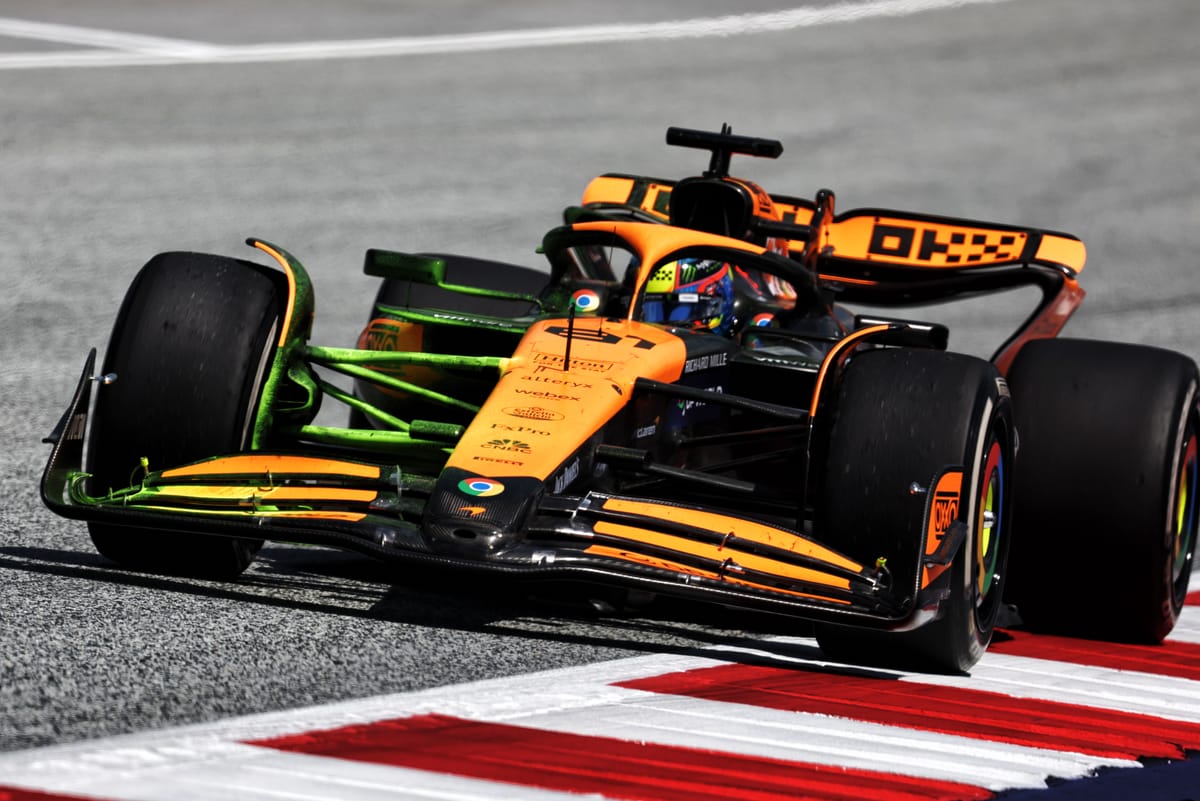
The 2023 season regulations are organized into three distinct categories: technical, sporting, and financial regulations. Each undergoes annual revisions to align with contemporary technological developments and competitive requirements, reflecting the sport's rapid evolution.
→ More Formula 1 news, results and analysis at News Formula One
"The FIA adds, drops, and modifies regulations as it sees necessary to keep up with technologies and to fulfill its mission," remarked a FIA representative, emphasizing the organization's adaptive approach to rule-making.
"The FIA adds, drops, and modifies regulations as it sees necessary to keep up with technologies and to fulfill its mission,"
Related: [Mastering Fly Fishing for Bass: A Comprehensive Guide](/article/mastering-fly-fishing-for-bass-a-comprehensive-guide)
→ More Formula 1 news, results and analysis at News Formula One
Current Season
This proactive stance extends beyond the current season. The governing body has already published draft regulations targeting new power unit standards for the 2026 season, demonstrating its commitment to staying ahead of technological curves and industry developments.
Championship Implications
→ More Formula 1 news, results and analysis at News Formula One
The sporting regulations represent perhaps the most visible aspect of FIA oversight, directly governing team and driver conduct during race weekends. These rules establish the framework for competition, including race schedules, championship point allocations, and comprehensive safety requirements.
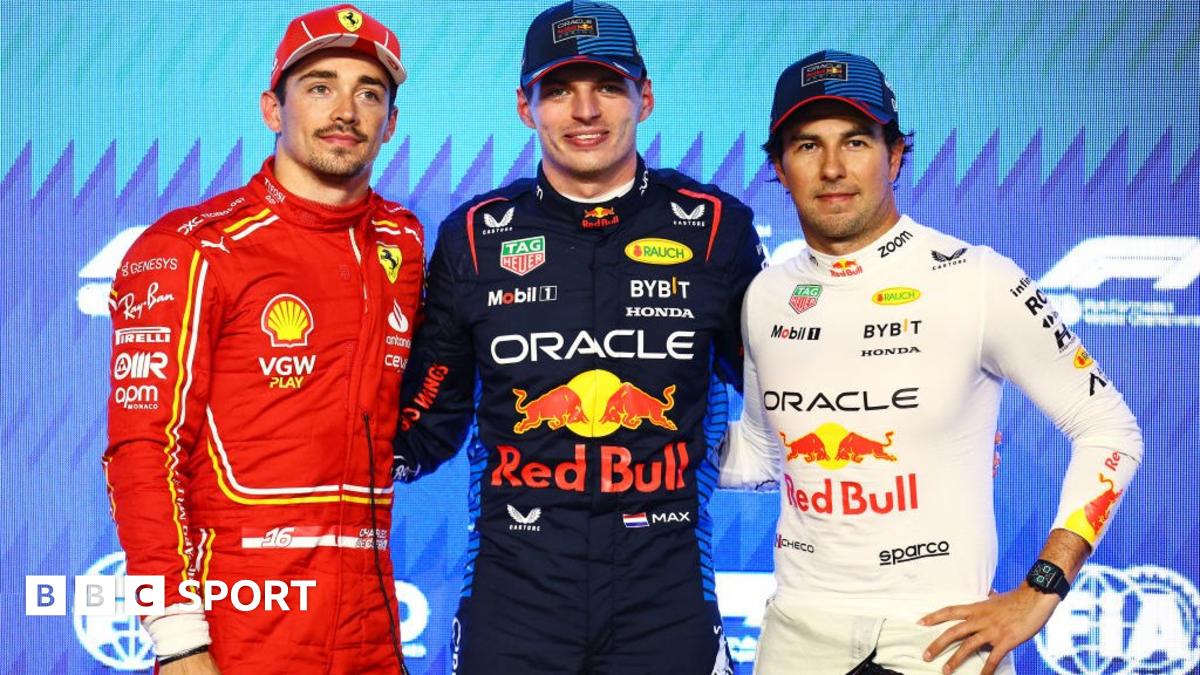
For 2023, the regulations structure permits a maximum of 24 race weekends throughout the season. Notably, up to six of these weekends may feature dual-race formats, incorporating Saturday sprint events alongside traditional Sunday Grand Prix races. This format expansion reflects Formula 1's efforts to enhance fan engagement while maintaining competitive standards.
"The number and order of events are defined in the sporting regulations," explained a racing analyst, noting how these guidelines provide certainty for teams' strategic planning and logistical preparations.
"The number and order of events are defined in the sporting regulations,"
Championship Implications
The championship structure centers on two prestigious titles: the World Drivers Championship and the World Constructors Championship. The sporting regulations provide detailed frameworks for point accumulation, ensuring transparency in how performance translates to championship standings.
This point allocation system proves pivotal to competitive strategy, making every race weekend a critical opportunity for advancement. The clearly defined criteria ensure all participants understand performance expectations and championship implications throughout the season.
Beyond scheduling and scoring, the regulations extensively cover acceptable conduct standards for all participants. These guidelines address on-track behavior, including overtaking procedures and defensive driving strategies, while establishing clear penalty structures for rule violations.
"The regulations cover on-track behavior... and the penalties for infractions," emphasized a team operations specialist, highlighting how comprehensive conduct standards maintain competitive fairness.
The rules extend to operational protocols governing pit stops, team orders, and various procedural requirements during race weekends. This exhaustive attention to detail reflects Formula 1's commitment to maintaining sporting integrity while accommodating the sport's technical complexity.
The 338-page document's comprehensive nature aims to eliminate ambiguity in rule interpretation, providing detailed guidance for various competitive scenarios. This thoroughness proves essential for consistent rule application across different racing conditions and circumstances.
The regulatory framework serves dual purposes: ensuring participant safety while maintaining competitive fairness. As Formula 1 continues expanding its global reach and technological sophistication, these regulations provide the stable foundation enabling continued growth.
For fans and participants alike, understanding these regulations enhances appreciation of racing's intricate strategic elements. The rules create the competitive environment that enables drivers and teams to showcase their skills while maintaining safety standards crucial to the sport's sustainability.
"Staying updated with the rules enables enthusiasts to better appreciate the intricacies of racing," noted an F1 commentator, emphasizing how regulatory knowledge enriches the viewing experience.
"Staying updated with the rules enables enthusiasts to better appreciate the intricacies of racing,"
As Formula 1 continues evolving with technological advancement and expanding global popularity, the FIA's regulatory oversight remains fundamental to balancing innovation with safety and competitive integrity. The 2023 regulations represent another step in this ongoing evolution, maintaining Formula 1's position as motorsport's premier championship while adapting to contemporary challenges and opportunities.
This story was written by News Formula One.
Read the latest Formula 1 news, results and analysis on NewsFormula.one →