Formula 1 Unveils Sweeping 2026 Regulation Overhaul to Revolutionize Racing
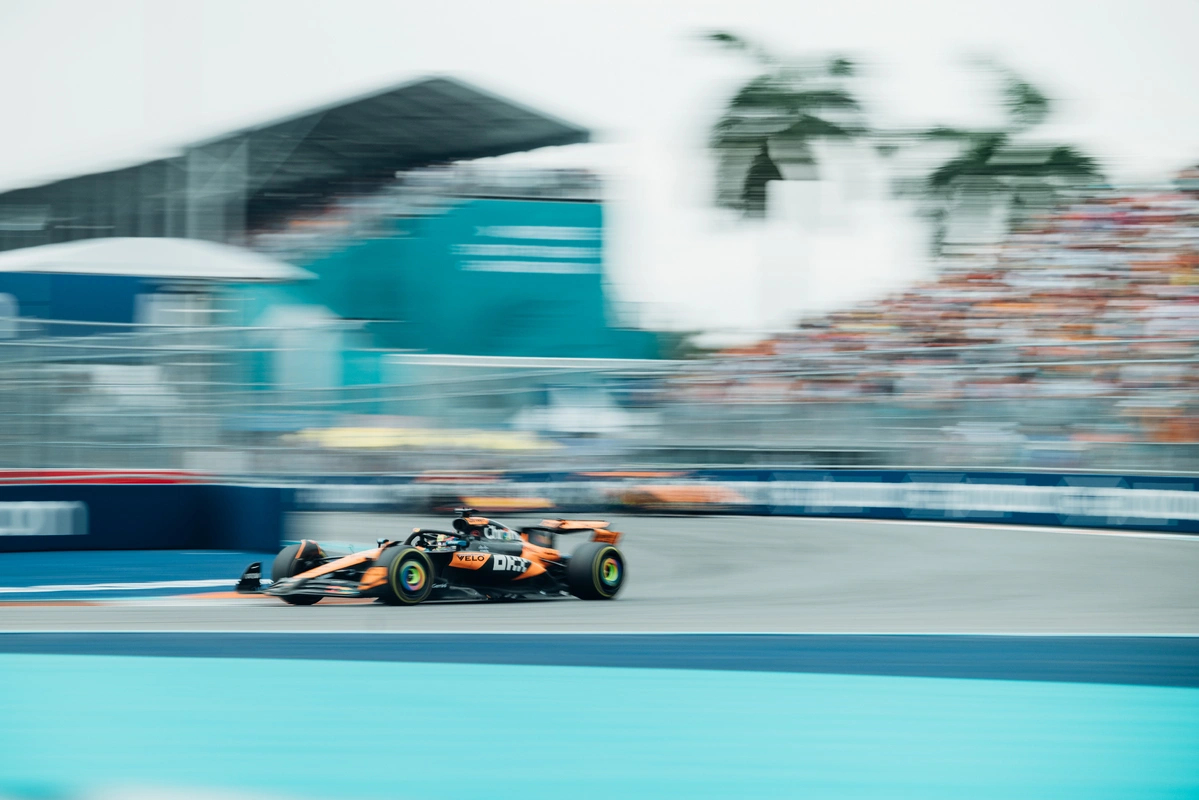
Formula 1 is implementing sweeping regulation changes for 2026, featuring smaller and lighter cars, simplified hybrid engines, and adjustable wings replacing DRS. The modifications aim to reduce aerodynamic drag by 40%, increase electric power output nearly threefold, and create more exciting racing with enhanced overtaking opportunities.
Formula 1 is preparing for its most dramatic transformation in decades as the sport gears up for what officials are calling "the biggest overhaul of regulations in the sport's history" ahead of the 2026 season.
"the biggest overhaul of regulations in the sport's history"
The comprehensive changes, which will affect everything from car dimensions to power unit technology, are designed to inject new excitement into F1's 24-race calendar and fundamentally alter the competitive landscape of motorsport's premier series.
→ More Formula 1 news, results and analysis at News Formula One
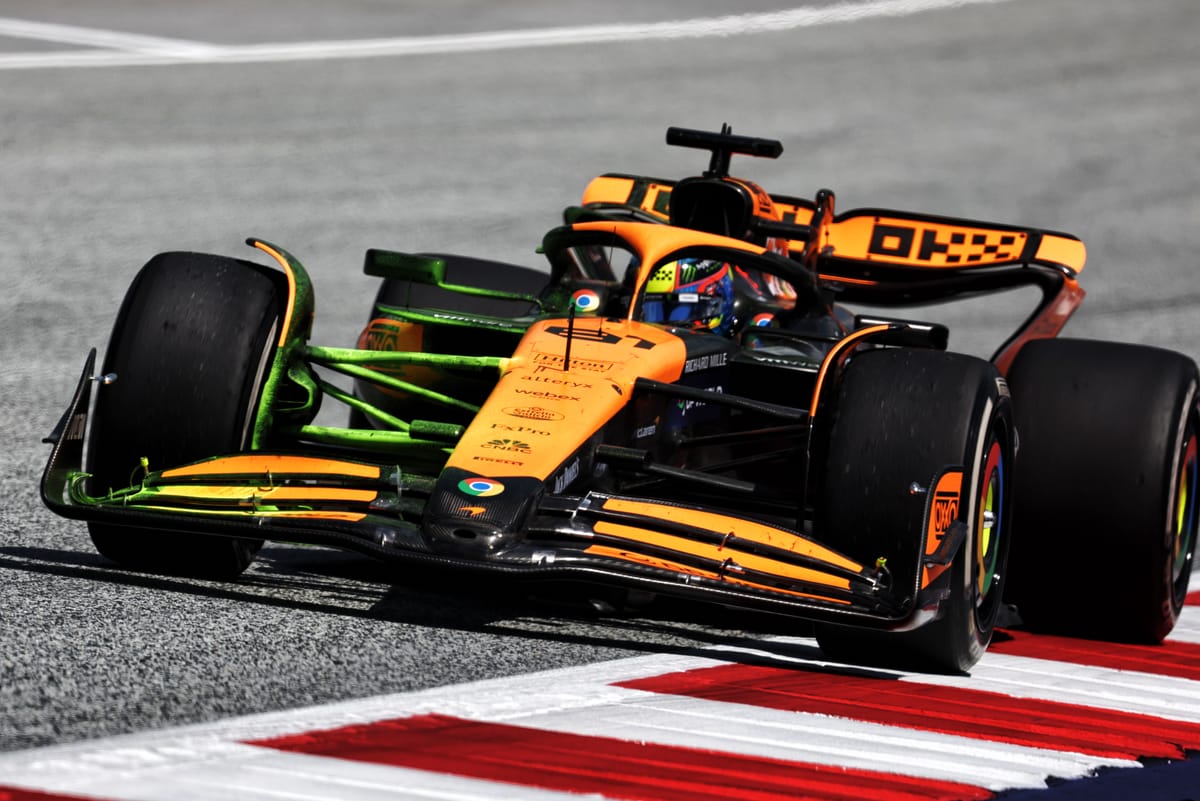
At the heart of these modifications lies a complete reimagining of the cars' aerodynamic philosophy. The most visible changes will be immediately apparent to fans, as F1 cars will become noticeably smaller and more agile. The wheelbase will shrink by a substantial 200mm, dropping from the current 3600mm to 3400mm, while car width will be reduced by 100mm from 2000mm to 1900mm. Additionally, the minimum weight will decrease by 30kg, bringing it down from 800kg to 770kg.
Related: [Trump Administration Launches Sweeping Cryptocurrency Regulatory Overhaul in First Week](/article/trump-administrations-first-week-us-crypto-developments-unveiled)
→ More Formula 1 news, results and analysis at News Formula One
These dimensional changes extend to the wheels as well. While maintaining the current 18-inch tire diameter, front wheels will narrow by 25mm and rear wheels by 30mm, contributing to what promises to be a significant shift in racing dynamics.
The aerodynamic revolution goes far deeper than mere size adjustments. Officials project these changes will decrease aerodynamic drag by an impressive 40%, potentially leading to higher straight-line speeds and more thrilling racing. The implications for competitive racing could be profound.
→ More Formula 1 news, results and analysis at News Formula One
"By removing the ground-effect floor tunnels that previously accelerated airflow, we anticipate a reduction in downforce of 15-30%," explained an aerodynamic expert involved in the regulation development. This fundamental shift away from ground-effect aerodynamics represents a philosophical change in how F1 cars generate performance.
"By removing the ground-effect floor tunnels that previously accelerated airflow, we anticipate a reduction in downforce of 15-30%,"
Perhaps most intriguingly, the traditional Drag Reduction System (DRS) will be replaced by adjustable front and rear wings, marking the end of an era that began in 2011. This new system will offer drivers high and low downforce configurations, providing strategic flexibility that could dramatically alter race tactics.
→ More Formula 1 news, results and analysis at News Formula One
Race Results
Impact and Legacy
Impact and Legacy
Impact and Legacy
A senior F1 engineer elaborated on the potential impact: "Higher downforce maximizes aerodynamics, ensuring competitive performance on turn-heavy circuits, while lower downforce configurations will excel on faster tracks like Baku and Monza." This adaptability could level the playing field between different circuit types and create new strategic dimensions for teams to exploit.
The engine regulations represent an equally significant departure from the current formula. Since 2014, F1's hybrid power units have featured a complex system built around a 1.6-liter turbocharged V6 engine paired with two energy recovery systems: the MGU-K (Motor Generator Unit-Kinetic) and the MGU-H (Motor Generator Unit-Heat).
The 2026 regulations will dramatically simplify this approach by eliminating the MGU-H entirely while significantly boosting the power of the remaining MGU-K system. "Eliminating the MGU-H simplifies our approach and amplifies the power of the MGU-K from 120kW to 350kW, further supporting the drive for increased speed," said an F1 executive.
"Eliminating the MGU-H simplifies our approach and amplifies the power of the MGU-K from 120kW to 350kW, further supporting the drive for increased speed,"
This change addresses longstanding concerns about the MGU-H's effectiveness and complexity. An F1 spokesperson acknowledged the practical reasoning behind the decision: "The MGU-H was never adopted by road car manufacturers, and this needed addressing as we aim to engage more manufacturers, which we've already achieved with Audi and Ford for 2026."
Career Journey
The power unit changes also reflect F1's evolving approach to sustainability and manufacturer relevance. By nearly tripling the electric power output, the sport is moving closer to an even split between internal combustion and electric power, positioning itself as a more relevant testing ground for future automotive technologies.
The timing of these changes coincides with the arrival of new manufacturers, including Audi and Ford, suggesting that the simplified yet more powerful hybrid system has successfully attracted automotive giants who previously viewed F1's technology as too complex or irrelevant to their road car development programs.
For fans and competitors alike, these regulation changes promise to reshape the fundamental character of Formula 1 racing. The reduced aerodynamic dependency could lead to closer racing and more overtaking opportunities, while the adjustable wing systems may introduce new strategic elements that teams and drivers will need to master.
The combination of smaller, lighter cars with reduced downforce and increased electric power suggests that driver skill and racecraft may become more decisive factors in determining race outcomes. This shift away from the current era's emphasis on aerodynamic efficiency could herald a return to more wheel-to-wheel combat.
Current Season
As the motorsport community anticipates these sweeping changes, the 2026 season is shaping up to be a watershed moment that could define Formula 1's direction for years to come. As an F1 spokesperson concluded, "Our focus remains on ensuring that F1 continues to be at the forefront of racing innovation and excitement."
With less than two years until implementation, teams are already beginning the massive undertaking of designing entirely new cars to meet these regulations, setting the stage for what could be one of the most competitive and unpredictable seasons in Formula 1 history.
This story was written by News Formula One.
Read the latest Formula 1 news, results and analysis on NewsFormula.one →