F1 Point Standings Drive Global Fan Engagement as Championship Battle Intensifies
Formula 1 point standings serve as the central narrative of motorsport's premier championship, driving global fan engagement through unpredictable competition across diverse circuits. The dual championship structure—covering both individual drivers and constructor teams—creates multiple layers of strategic competition, while the implications extend beyond crowning champions to influence team funding, driver contracts, and the sport's continued growth as a worldwide entertainment phenomenon.
The Formula 1 point standings serve as more than just a numerical leaderboard—they represent the beating heart of motorsport's most prestigious championship, capturing the relentless pursuit of supremacy that defines every Grand Prix weekend.
As each race unfolds throughout the season, fans across the globe find themselves glued to the evolving leaderboard, watching fortunes change with every turn of the wheel. From the iconic hairpin bends of Monaco to the high-speed straights of Monza, each circuit presents unique challenges that test both driver adaptability and team strategy, causing the point standings to shift dramatically as the championship narrative develops.
This unpredictability fuels the passion and speculation that surrounds each race, creating a compelling spectacle that extends far beyond the two-hour window of each Grand Prix. Watching a driver ascend the standings becomes akin to witnessing a hero's journey—a narrative rich with challenges, setbacks, and triumphant comebacks that keeps the F1 point standings perpetually engaging for millions of fans worldwide.
→ More Formula 1 news, results and analysis at News Formula One

Race Results
The current points system rewards excellence with precision, awarding 25 points for victory and scaling down to a single point for tenth place. The inclusion of an additional point for the fastest lap adds another strategic dimension to races, though drivers must finish within the top 10 to claim this bonus. This system creates multiple layers of competition within each race, as teams must balance race position with the pursuit of that extra point.
→ More Formula 1 news, results and analysis at News Formula One
Championship Implications
As any F1 season progresses, the standings transform dramatically, showcasing fierce competition among motorsport's elite. Whether it's a neck-and-neck race for the championship or a strategic battle for third place, the standings provide a snapshot of ongoing rivalries and evolving strategies that can shift radically with each passing weekend.
Related: [FIA Formula 1 World Championship Standings for 2025](/article/fia-formula-1-world-championship-standings-for-2025)
→ More Formula 1 news, results and analysis at News Formula One
Championship Implications
The F1 championship structure operates on two distinct but interconnected levels, each telling its own compelling story throughout the season.
The Drivers' Championship represents the pinnacle of individual achievement in motorsport. This leaderboard celebrates the accomplishments of individual drivers, with points accumulated based on race finishes across the 23-race calendar. The coveted World Drivers' Championship title symbolizes not just victories, but resilience and consistency amid the grueling competition that defines modern Formula 1.
→ More Formula 1 news, results and analysis at News Formula One
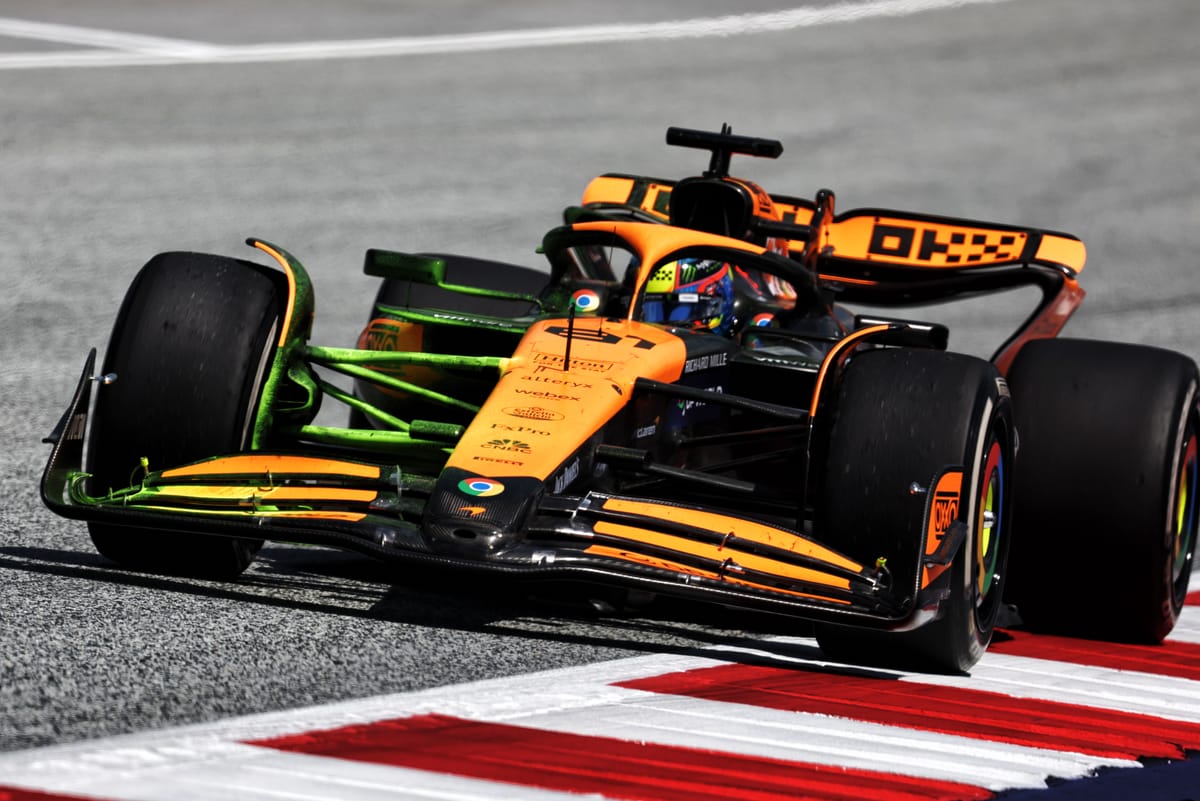
Running parallel to the individual battle, the Constructors' Championship aggregates points from both team drivers, highlighting the collective effort required to achieve success in F1. This championship reflects the crucial synergy between driver skill and engineering excellence, rewarding teams that can consistently field two competitive cars throughout the demanding season.
The dual focus reveals the fundamental importance of teamwork and strategic planning in F1, where success depends not only on driver talent but also on the ability of hundreds of engineers, mechanics, and strategists to optimize every aspect of performance.
Following the F1 calendar throughout the season offers fans a global showcase of speed, strategy, and endurance. As enthusiasts witness the point standings evolve, they observe the emergence of potential champions alongside the inspiring stories of underdogs fighting for every point.
Different circuits test diverse aspects of a car's performance, demanding constant adaptation from teams and creating opportunities for unexpected results. A power-focused track like Monza might favor certain engine manufacturers, while the technical challenges of Singapore or Hungary can level the playing field, allowing midfield teams to punch above their weight.
This variability ensures that no championship battle is decided until the final races, maintaining suspense and engagement throughout the lengthy season that typically runs from March through December.
The implications of F1 point standings extend far beyond simply determining the year's champion. These rankings fundamentally shape team strategies, influence multimillion-dollar driver contracts, and guide the development priorities for future cars.
A high standing in either championship significantly bolsters a team's reputation and attractiveness to sponsors—crucial factors in securing the funding necessary for continued competitiveness in F1's arms race of technological advancement. Prize money distribution is also directly tied to championship positions, with higher-placed teams receiving larger shares of F1's commercial revenue.
For individual drivers, climbing the standings cements their legacy within the sport while enhancing their prospects for future opportunities. A strong championship position can be the difference between securing a seat with a top team or facing an uncertain future in the paddock.
The standings also spark intense fan engagement, driving television viewership, social media discussion, and attendance at Grand Prix events worldwide. This engagement creates a virtuous cycle that attracts new sponsors and partners to the sport, ultimately contributing to F1's continued growth as a global entertainment phenomenon.
As the championship battles continue to evolve with each passing race weekend, the F1 point standings remain the definitive measure of success in motorsport's most demanding arena.
This story was written by News Formula One.
Read the latest Formula 1 news, results and analysis on NewsFormula.one →