McLaren Ends 26-Year Drought as Formula 1 Sees Historic Shift in 2024 Season
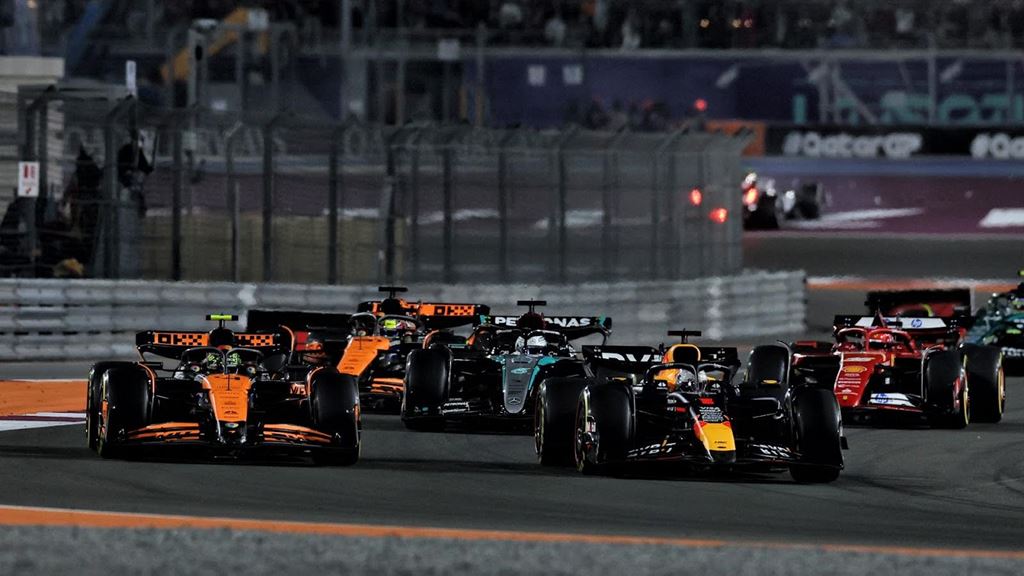
The 2024 Formula 1 season ended Red Bull's two-year dominance as McLaren claimed their first constructors' championship since 1998. The historic campaign saw four teams achieve one-two finishes and seven different drivers win multiple races, while technical developments and narrow development windows reshaped the competitive landscape.
The 2024 Formula 1 World Championship will be remembered as the season that shattered Red Bull's stranglehold on the sport, delivering one of the most competitive campaigns in recent memory and crowning McLaren as constructors' champions for the first time since 1998.
After two years of overwhelming Red Bull dominance in 2022 and 2023, the 2024 season witnessed a dramatic shift in the competitive landscape. McLaren, Ferrari, and Mercedes all emerged as race winners, breaking Red Bull's monopoly and creating a four-way battle that captivated fans throughout the year.
The season achieved several historic milestones that underscore its exceptional competitiveness. For the first time in Formula 1 history, four teams—Red Bull, Ferrari, McLaren, and Mercedes—each recorded one-two finishes within the same campaign. Additionally, a record-breaking seven different drivers claimed victory in more than one Grand Prix, showcasing the unprecedented depth of competition across the grid.
→ More Formula 1 news, results and analysis at News Formula One
By the Numbers
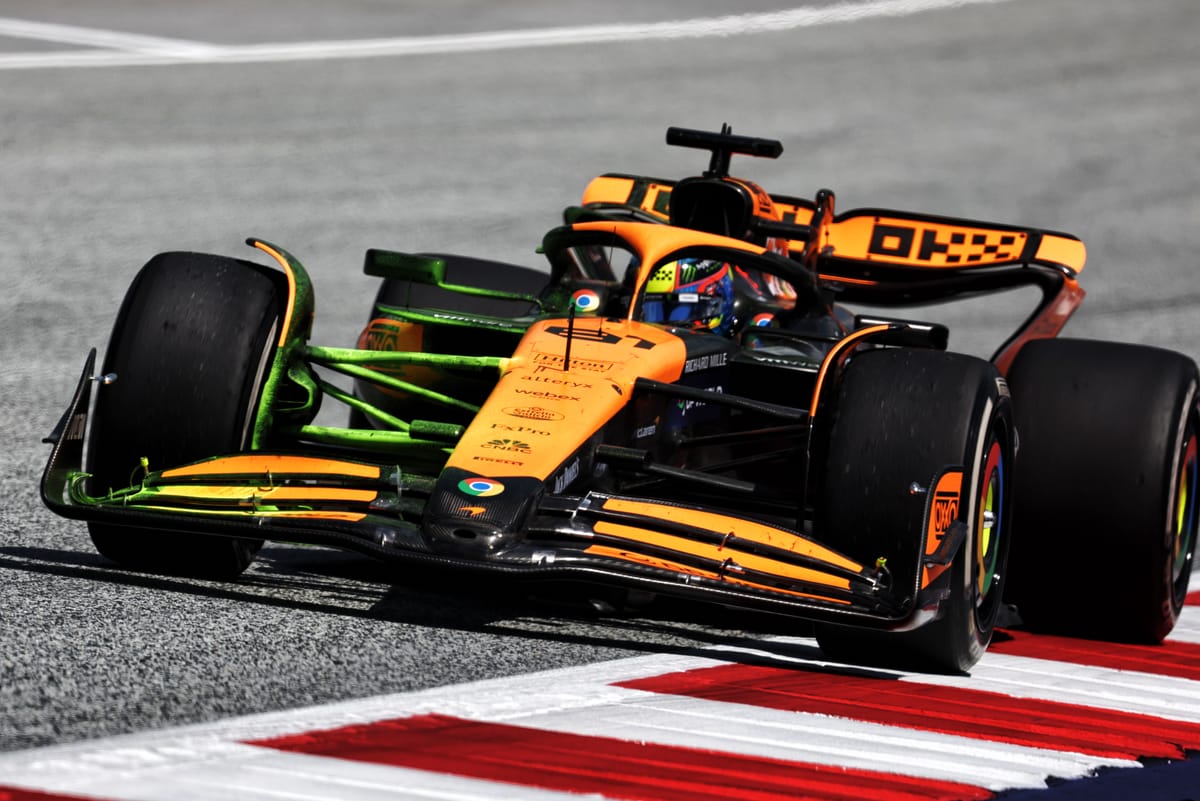
McLaren's constructors' championship triumph marked the end of a 26-year drought, with Lando Norris playing a pivotal role in accumulating crucial points throughout the season. However, the championship split highlighted another remarkable statistic: for only the 12th time in F1 history, the team securing the constructors' title did not feature the world drivers' champion, as Red Bull's Max Verstappen retained his individual crown.
→ More Formula 1 news, results and analysis at News Formula One
Team Dynamics
The transformation in competitiveness stemmed largely from significant technical developments across the top teams, with each squad taking different approaches to extract performance from their 2024 machines.
Related: [Wales End Championship Drought with Commanding 31-17 Victory Over Italy](/article/wales-end-championship-drought-with-commanding-31-17-victory-over-italy)
→ More Formula 1 news, results and analysis at News Formula One
Red Bull's 2024 challenger, the RB20, represented a marked departure from their previous design philosophy. Technical director Pierre Wache revealed the extent of the changes, stating: "If the 2023 Red Bull RB19 was a deep evolution of the RB18, the RB20 was a very different single-seater from the start."
Race Results
The RB20 featured a radically redesigned cooling system and new bodywork characterized by innovative 'cannons' and 'shark-shaped' sidepod inlets. This bold approach initially paid dividends, with Red Bull securing one-two finishes in three of the first four races.
→ More Formula 1 news, results and analysis at News Formula One
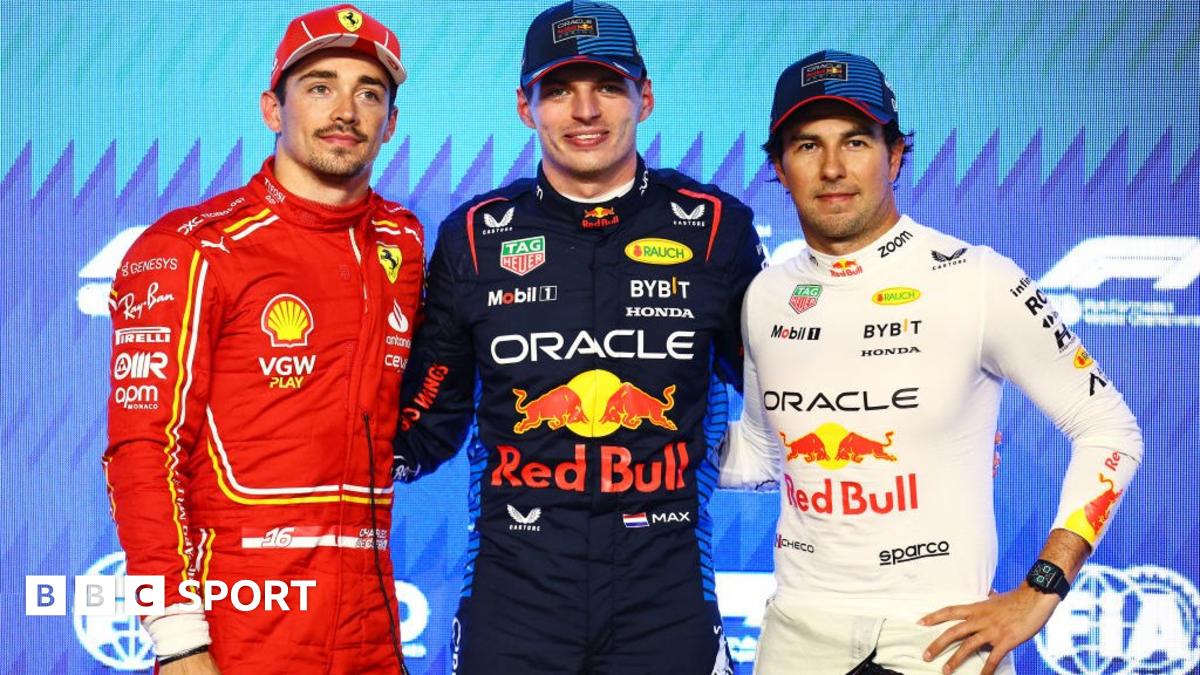
However, as the season progressed, the RB20's limitations became apparent. "It was getting difficult to add downforce to the car without compromising car behaviour," Wache explained, highlighting the narrow development window that would ultimately cost Red Bull their constructors' dominance.
"It was getting difficult to add downforce to the car without compromising car behaviour,"
Red Bull's response included several key upgrades throughout the season. The most significant came during the Hungarian Grand Prix with the introduction of a new engine cover that eliminated the cooling cannons, specifically targeting improved performance on faster circuits. The team also implemented new additional cooling inlets designed to enhance downforce efficiency without increasing drag, revamped their front wing design for better aerodynamic capability, and updated the floor and diffuser to maximize ground effect efficiency within regulatory constraints.
Ferrari's SF-24 represented a more measured but equally significant redesign approach. The Italian team initially maintained their pullrod rear suspension while adapting to a new aerodynamic philosophy that moved away from inwash sidepods. This configuration showed early promise but required aggressive development to match the rapid improvements seen elsewhere on the grid.
The pressure to evolve quickly became evident after the Imola race, with Ferrari implementing substantial changes to elevate their competitiveness. "We had to bring our upgrades quickly and decisively to close the gap," a Ferrari engineer noted, emphasizing the urgency within the team to match their rivals' development pace.
"We had to bring our upgrades quickly and decisively to close the gap,"
Ferrari's commitment to continuous aerodynamic refinement proved crucial, with subtle but effective changes helping optimize performance during key races throughout the season.
The 2024 season's competitive shake-up demonstrates how quickly fortunes can change in modern Formula 1, where marginal aerodynamic gains can translate into significant performance differences. Red Bull's experience with the RB20's narrow development curve serves as a reminder that even the most successful teams must constantly evolve their approach to maintain competitiveness.
Looking ahead to the 2025 season, each team faces distinct challenges. Red Bull must address their development curve issues and potentially rethink their fundamental design approach. Meanwhile, McLaren and Ferrari, buoyed by their 2024 successes, must maintain their momentum while continuing to push the boundaries of their respective packages.
Mercedes, having also claimed race victories in 2024, will seek to build on their resurgence and establish themselves as consistent championship contenders once again.
As teams shift their focus toward 2025 development, the lessons learned from 2024's technical battles will prove invaluable. The season has proven that in Formula 1's current era, sustained dominance requires not just initial innovation but also the ability to continuously extract performance from evolving packages—a challenge that promises to make the 2025 championship another compelling chapter in the sport's ongoing evolution.
This story was written by News Formula One.
Read the latest Formula 1 news, results and analysis on NewsFormula.one →